
Lehi Genealogy Sources
Lehi Genealogy works especially well for family history because the city has a long settlement record that reaches back to 1850, with incorporation in 1852. That early start means the city recorder can preserve historical city records that are more useful than the typical modern municipal file, and the city cemetery provides burial evidence that reaches back to the earliest pioneer period. When you combine those two local sources with Utah County and state collections, Lehi becomes one of the better Utah cities for reconstructing a multi-generation family line. The key is to keep the civic, burial, and local-history records in sequence so the timeline stays consistent from the first settlement years to the present.
Lehi Genealogy at the City Recorder
The Lehi City Recorder is the starting point for Lehi Genealogy when you need historical city records, ordinances, or other municipal documents that show how a family lived inside the city over time. Because Lehi was settled early and incorporated in 1852, the recorder has the kind of historical depth that can help explain land use, neighborhood change, and local government decisions affecting families. That makes the office useful even when the record you need is not a vital event.
The recorder's office is at 153 N 100 E, Lehi, UT 84043, and the phone number is 385-201-1000. In practice, the recorder can help you separate a city-era fact from a broader Utah County record. Lehi Genealogy often benefits from that distinction because many families moved through the area during the pioneer era and left traces in more than one office.
| Office | Lehi City Recorder |
|---|---|
| Address | 153 N 100 E Lehi, UT 84043 |
| Phone | 385-201-1000 |
| Records | Historical city records from incorporation forward |
Lehi Genealogy at the City Cemetery
The Lehi City Cemetery is one of the most valuable local sources for Lehi Genealogy because its burial records date to the 1850s and include the graves of early Utah pioneers. That makes it more than a burial list; it is a record of settlement, family continuity, and local memory. A cemetery entry can confirm a death date, identify a spouse, and show a family cluster that matches the earliest Lehi households.
The cemetery office is at 400 E 600 N, Lehi, UT 84043, and the phone number is 385-201-1000. If you are trying to connect a pioneer surname to a later city family, the cemetery can provide the bridge. Lehi Genealogy gets much stronger when the burial record is read beside the recorder, a newspaper notice, or a county record that shows where the family lived before or after the burial.
Lead-in source: Lehi City Cemetery.
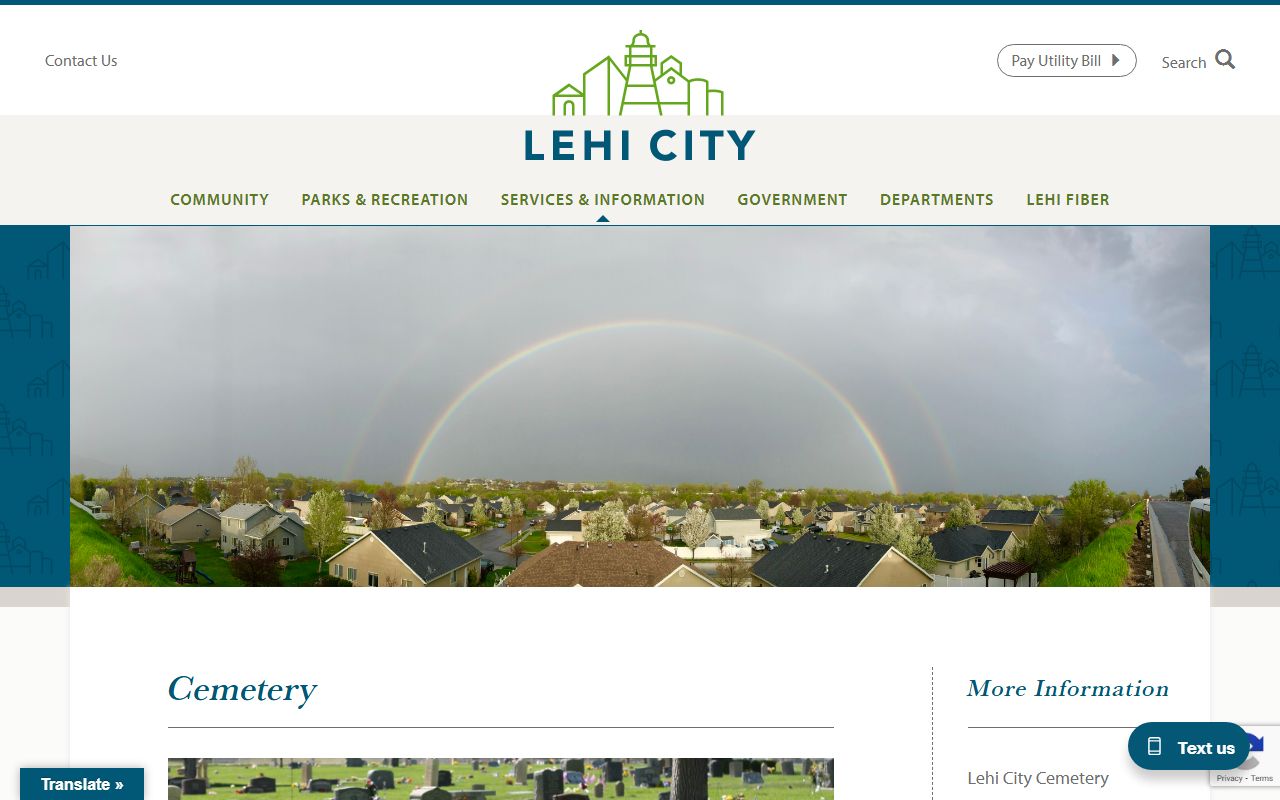
This local image matches the research well because the cemetery is one of the clearest windows into Lehi's early family history.
Lehi Genealogy in Utah County Records
Utah County records are the next layer for Lehi Genealogy when a family line reaches beyond what the city recorder or cemetery can show. County land, marriage, probate, and other civil records often preserve the earlier generations, especially when a family moved through the county before incorporation or shifted between nearby settlements. Lehi's early settlement date means county records can be closely tied to the city's own history, but they still serve a separate purpose in the research process.
A county search is also useful when the name appears in one source but not another. A family might be buried in Lehi, recorded in a county deed, and mentioned in a later city record without the same spelling in every source. Lehi Genealogy improves when you compare those names carefully and use the county record as a stabilizing reference point.
Lehi Genealogy in State Collections
State collections add essential context to Lehi Genealogy. The Utah State Archives can help with government context, Utah State History can help with place history, and Utah Vital Records is the state-level certificate path for modern events. The FamilySearch Utah Genealogy wiki and the Library of Congress Utah local history guide can also direct you to the right repositories when the local record set is only part of the story.
When you need a wider family context, the Utah Population Database can be useful for broader demographic or linkage questions. In a city like Lehi, those state resources work best after the cemetery and recorder have given you the local anchor points. That order keeps Lehi Genealogy from drifting away from the people and places that matter most.
Lead-in source: Utah State Archives.
The archive image fits the research process because older Lehi families often leave traces in county or state material before a city summary appears.
Lehi Genealogy Newspapers and Local History
Newspapers are a strong companion to Lehi Genealogy because they can confirm a burial, announce a move, or connect a family to a local business, ward, or neighborhood. A newspaper item can add the kind of detail that never makes it into a city recorder file. Even when the name is common, the surrounding story often gives enough context to identify the right household.
Local history research works the same way. Lehi is old enough that families appear in multiple record types, and the cemetery often points to a generation that the newspaper or county deed then explains. Lehi Genealogy becomes much clearer once you compare those sources rather than relying on one isolated reference.
Lehi Genealogy Research Path
The practical Lehi Genealogy path starts with the city recorder for historical city records, moves to the cemetery for burial evidence, then expands into Utah County and state collections for earlier family history. That sequence fits the city's settlement timeline and lets you confirm a family in the local records before you look farther out.
Lehi's early origin makes it one of the better city pages for family history because the city, cemetery, county, and state layers all overlap. Once those sources are compared, the family trail becomes much easier to document and much harder to misread.