
Salt Lake City Genealogy Guide
Salt Lake City Genealogy work starts with city offices, but it rarely ends there. The city recorder, the cemetery office, the public library, Salt Lake County, and Utah statewide collections all fit together when you are tracing families in the capital city. Because Salt Lake City grew quickly and became the center of government, business, and migration, the paper trail is broad but spread across several repositories. Start with the city-level record set, then widen the search into county and state collections for earlier family history, burial evidence, and neighborhood context.
Salt Lake City Genealogy at the City Recorder
The Salt Lake City Recorder is the first stop when you need city-specific vital records or a copy of a local city record. The office maintains birth and death records for events within Salt Lake City limits from 1905 to 1978, along with ordinances, resolutions, and historical city records. That combination is useful for Genealogy because it can place a family in a neighborhood, confirm a date, or connect a household to a city action that never appeared in a county file.
Public access is time-limited, so the date matters. Birth records become public after 100 years and death records after 50 years. If your family event falls inside that window, the recorder can still be the right source for a research copy or a public records request. The office is at 451 S State Street, Room 124, Salt Lake City, UT 84111, and the phone number is 801-535-6157. Hours are Monday through Friday, 8:00 AM to 5:00 PM. For ongoing Salt Lake City Genealogy research, the recorder is best used as a bridge between modern vital events and the older city papers that survive in other collections.
| Office | Salt Lake City Recorder |
|---|---|
| Address | 451 S State Street, Room 124 Salt Lake City, UT 84111 |
| Phone | 801-535-6157 |
| Hours | Monday through Friday, 8:00 AM to 5:00 PM |
| Records | Birth and death records 1905-1978, ordinances, resolutions, and historical city records |
Salt Lake City Genealogy at the Cemetery
The Salt Lake City Cemetery is one of the most important burial resources for Salt Lake City Genealogy. The cemetery has more than 100,000 burials dating back to the 1840s, which makes it a strong place to confirm family relationships, track infant or child burials, and match a death notice to a physical resting place. The office at 200 N Street, Salt Lake City, UT 84103 can help with burial records and maps, which are both valuable when you are trying to place relatives in the city landscape.
Burial maps matter because they can show family clusters, lot ownership, and repeated surnames across adjacent plots. That is especially helpful in Salt Lake City Genealogy when the same family appears in church records, city directories, and later obituary notices but the civil record is incomplete. Use the cemetery office in combination with the city recorder and county-level vital records to verify the life span of a family line before you move on to state archives or newspaper searches.
Salt Lake City Genealogy in the Public Library
The Salt Lake City Public Library adds a different layer to Salt Lake City Genealogy because it gathers local history material that was never meant to live in a clerk's office. Its history and genealogy holdings include historical city directories, local newspapers, photographs, manuscripts, and maps. Those collections are the kind that help you move from one known address to the next, identify a neighbor, or confirm where a family lived during a specific decade.
City directories are especially useful in an urban setting. A family can move several times without ever leaving Salt Lake City, and the directory trail is often easier to follow than a deed or a vital record. Combine those directories with photographs and maps to anchor your Salt Lake City Genealogy research in a specific block, ward, or neighborhood. When a surname repeats in manuscripts or an article references a business, the library collection can supply the local detail that turns a name into a family story.
For direct access, visit Salt Lake City Public Library history and genealogy and treat it as a local-history companion to the recorder and cemetery offices.
Salt Lake City Genealogy and Salt Lake County
Salt Lake City sits inside Salt Lake County, so a complete genealogy search should not stop at the city line. County records often carry the property, probate, marriage, and broader vital history that city offices do not hold. If a family lived in Salt Lake City for decades, you may need both the city recorder and the county clerk or recorder to build a reliable timeline. That is why Salt Lake City Genealogy should always be read alongside the county record set rather than in isolation.
Use the county page as the next step when a family appears in city directories, cemetery records, or a recorder file but the event itself took place at the county level. The Salt Lake County Genealogy page is the natural place to continue that search, especially if you need land records, certified copies, or older records that were never part of the city repository. The county context also helps when a person lived in the city but married, bought land, or died elsewhere in Salt Lake County.
Salt Lake County Genealogy is the right county-level companion for city research, even when the first clue comes from a city office.
Salt Lake City Genealogy in Utah State Collections
State repositories are essential when Salt Lake City Genealogy moves beyond what the city keeps on site. The Utah State Archives, Utah State History, and Utah Vital Records all preserve different parts of the story. The archives are useful for government and court context, State History is strong for local place research, and Vital Records is the place to confirm statewide birth, death, marriage, or divorce certificate access rules. Together they help you move from a city record to a state-level summary without losing the chain of evidence.
Other statewide tools add texture. Utah Digital Newspapers can supply death notices and community coverage, while the Utah Cemeteries and Burials site is useful for burial cross-checks. The FamilySearch Utah Genealogy wiki and the Library of Congress Utah local history guide help direct a broader search, and the Utah Population Database can be useful when you need demographic or linkage context. Salt Lake City Genealogy becomes much more complete once those state sources are layered in.
The most efficient method is to start with a city clue, confirm it in a county or state office, and then use newspapers or cemetery records to add detail.
Lead-in source: Utah State Archives.
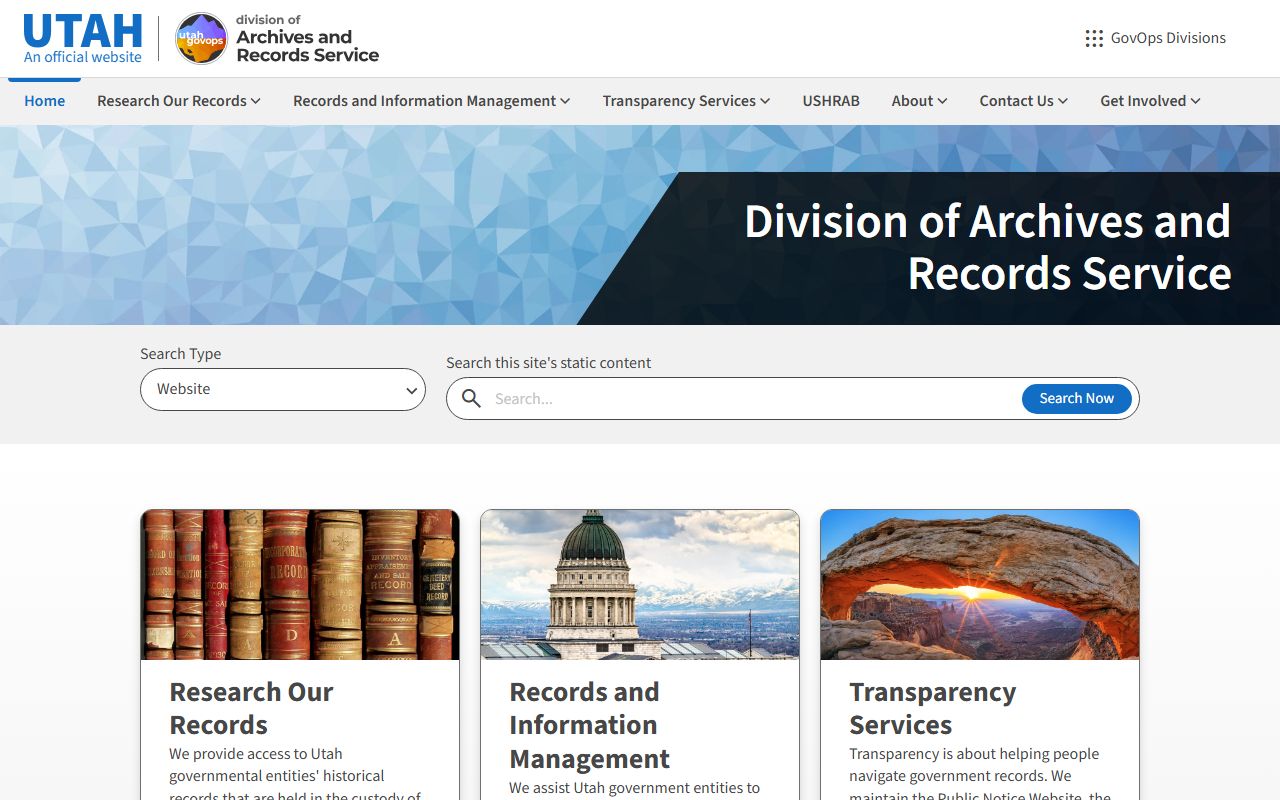
That archive layer is valuable when a city record hints at a larger government trail or when a family first appears in Salt Lake City before the city-level source you need is public.
Salt Lake City Genealogy Newspapers and Burial Clues
Newspapers often solve the problem that a city record cannot. For Salt Lake City Genealogy, obituaries, funeral notices, business announcements, ward notes, and neighborhood news can all appear in the same issue. That is why Utah Digital Newspapers deserves a place beside the cemetery and recorder in any serious search. A newspaper can give you a spouse's name, a maiden name, an address, or the name of a cemetery before a civil record ever does.
Burial clues work the same way. The city cemetery offers maps and burial records, but a newspaper can tell you why a burial happened in a particular lot or how a family was connected to another household in the same block. When you compare cemetery records with city directories and newspaper notices, Salt Lake City Genealogy turns into a three-dimensional search rather than a single-record lookup.
Lead-in source: Utah Digital Newspapers.
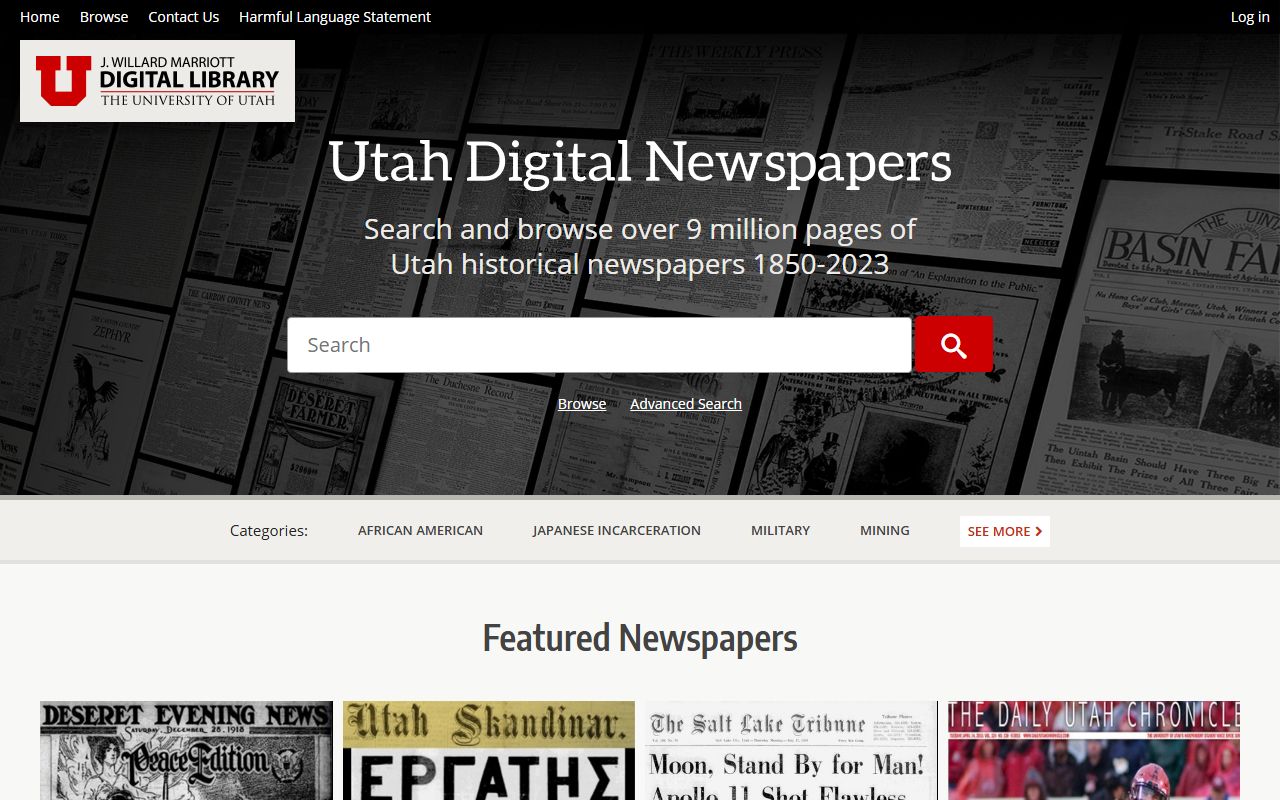
That source is especially strong for the long urban run of Salt Lake City, where families often left repeated references in the press.
Salt Lake City Genealogy Research Path
A practical Salt Lake City Genealogy search usually begins with one city clue and then fans out into several repositories. Start with the recorder if your event falls in the 1905 to 1978 city record window. Check the cemetery if you have a burial or death lead. Use the public library for directories and maps when you need address history. Then move outward to Salt Lake County, the Utah State Archives, Utah Vital Records, and newspaper collections to fill in the parts the city does not hold.
That sequence keeps the search grounded. It also reduces the chance of mixing up a city record, a county record, and a statewide certificate. Salt Lake City Genealogy is strong because the city has so many surviving sources, but that strength only becomes useful when the sources are read in the right order. A city clue becomes much more valuable once it is checked against the county and state record trail.