
St. George Genealogy Sources
St. George Genealogy begins with one of the most distinctive settlement stories in southern Utah. The city was settled in 1861 as a cotton mission and incorporated in 1862, so its recorder, cemetery, and local historical society each preserve a different layer of family history. The city record side is useful for ordinances, resolutions, and meeting minutes, while the cemetery and Washington County history collections help connect households to the broader pioneer and regional story. Because St. George became a hub for Washington County, a careful search often needs both civic records and local-history material to explain how a family moved, settled, and stayed.
St. George Genealogy at the City Recorder
The St. George City Recorder is the municipal starting point for St. George Genealogy when you need city records from incorporation forward. The office maintains ordinances, resolutions, and meeting minutes, which can be useful when a family appears in a property discussion, a neighborhood change, or a civic action that affected a household. That makes the recorder more than a filing office; it is a way to see how city government touched local life in different periods.
The office is at 175 E 200 N, St. George, UT 84770, and the phone number is 435-627-4000. When you are working in St. George Genealogy, the recorder is best used as the modern city layer before you move into cemetery, historical society, county, and state materials. It gives you a stable municipal reference point in a city with a long and unusually visible settlement history.
| Office | St. George City Recorder |
|---|---|
| Address | 175 E 200 N St. George, UT 84770 |
| Phone | 435-627-4000 |
| Records | City ordinances, resolutions, and meeting minutes |
St. George Genealogy at the City Cemetery
The St. George City Cemetery is another core source for St. George Genealogy because it has burial records dating to the 1860s. That long burial run helps confirm family groups, identify pioneer-era households, and place a person in the local landscape. A burial record can also point you to a spouse, child, or neighboring family when the civil record is sparse. In a city with a strong pioneer legacy, cemetery work often resolves questions that recorder files cannot.
The cemetery office is at 600 E Tabernacle Street, St. George, UT 84770, and the phone number is 435-627-4550. Use the cemetery together with newspaper notices and local-history collections so the burial evidence becomes part of a broader family story rather than a stand-alone fact. St. George Genealogy gets stronger when burial dates, lot references, and family names are compared across more than one source.
Lead-in source: Utah State Archives.
State archive material is useful here because it helps connect the cemetery record to broader civic and settlement documentation for the region.
St. George Genealogy at the Washington County Historical Society
The Washington County Historical Society is especially valuable for St. George Genealogy because it holds collections about St. George and the county, operates a museum, and offers research assistance. That combination is ideal when you need more than a civil record and want to understand the local setting behind a family name. Historical society collections can help identify a school, church, business, or neighborhood reference that never appeared in the city recorder.
Lead-in source: Washington County Historical Society.
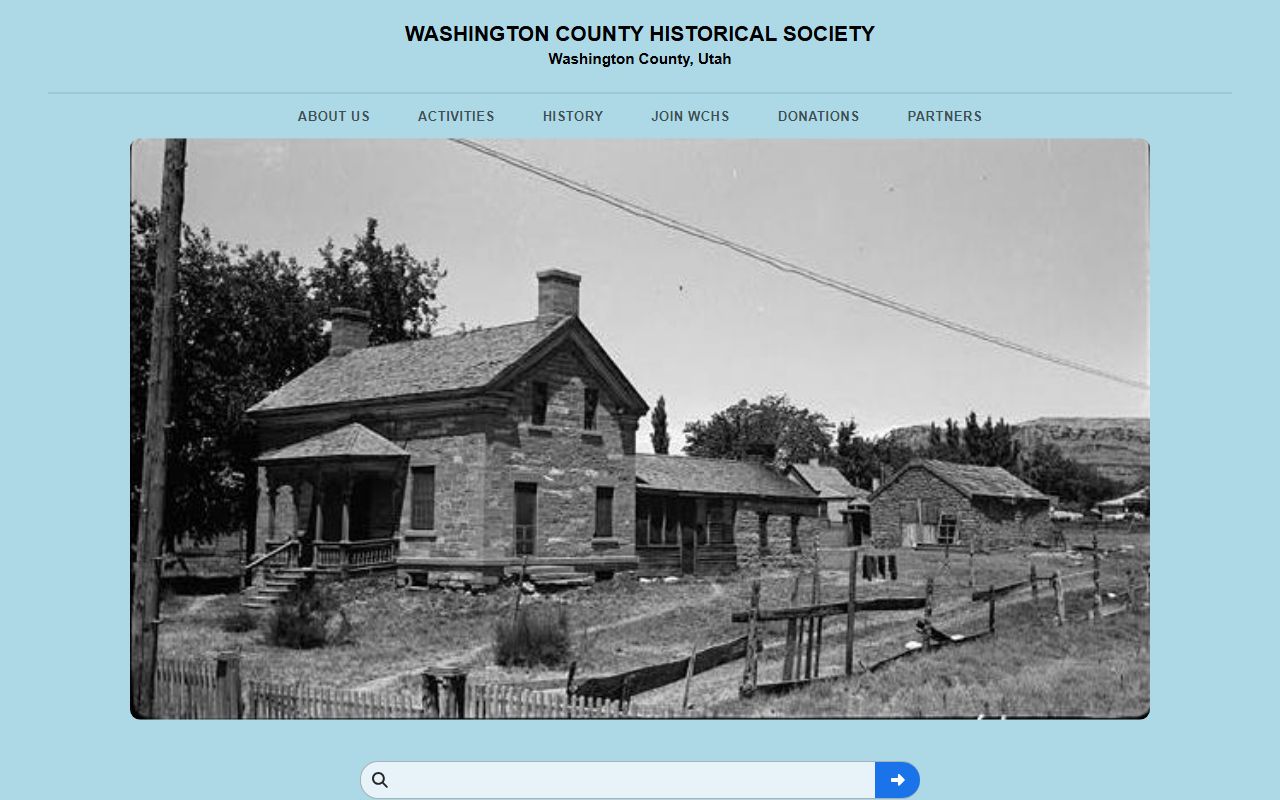
This local image fits the research path well because the society often supplies the context that turns a St. George record into a usable family timeline.
If you are tracing an early family or a long-term resident, the historical society can be the place where a surname finally connects to a place, an artifact, or a story. That kind of detail matters because St. George Genealogy often involves families who stayed in the area for generations and left traces in both public and private collections.
St. George Genealogy in County and State Records
County and state sources are the next layer for St. George Genealogy when the city record set does not go far enough. Washington County records can preserve property, probate, and other civil evidence tied to the family, while Utah state collections help with broader government, vital, and historical context. A St. George family might appear in a county land file, a state certificate path, and a local history collection before you ever find the same name in a city index.
Useful state tools include Utah State Archives, Utah State History, Utah Vital Records, FamilySearch Utah Genealogy, and Library of Congress Utah local history guide. For a city like St. George, those sources matter because the settlement history is old enough that the paper trail is distributed across several repositories rather than one office.
St. George Genealogy Newspapers and Burials
Utah Digital Newspapers is especially useful for St. George Genealogy because obituaries, funeral notices, church items, and local announcements often connect directly to cemetery records and family names. A newspaper can explain a burial that the city cemetery lists only by date, and it can provide a spouse, child, or residence clue that the civil record does not show. In a city with a long local-history tradition, those newspaper details are often the missing link.
The burial side and the newspaper side work together. If a person appears in the St. George Cemetery record set, a newspaper can tell you more about the family at the time of death. If a notice names a cemetery but not a lot, the burial record can finish the identification. St. George Genealogy gets much more reliable when both sources are compared instead of treated separately.
Lead-in source: Utah Digital Newspapers.

That newspaper layer is particularly useful in southern Utah, where civic news and family notices often overlap in the same local story.
St. George Genealogy Research Path
The most efficient St. George Genealogy workflow starts with the recorder for civic records, moves to the cemetery for burial confirmation, then shifts to the historical society for deeper local context. After that, county and state collections fill in property, government, and certificate evidence. That order keeps the search focused on the right type of record for the right era.
St. George is one of those places where the local story is strong enough to be worth reading as history, not just as a record set. Once you combine city, cemetery, historical society, newspaper, and state sources, St. George Genealogy becomes a connected family narrative instead of a pile of isolated references.