
Find Duchesne County Genealogy
Duchesne County Genealogy starts with a county that was created in 1913 from Wasatch County and centered at Duchesne. The area had been part of the Uintah and Ouray Indian Reservation before opening to white settlement in 1905, so the timeline matters as much as the office you use. The county clerk and recorder both sit on North Center Street, which keeps the core records easy to sort once you know the names and years you need. For families in the Uintah Basin, the county story often begins with settlement, then moves into marriage, land, probate, and later county work.
Duchesne County Genealogy Offices
The Duchesne County Clerk maintains the records most families need first. The office keeps marriage records from 1888, birth and death records from 1898 to 1905, and probate, court, and land records from 1888 forward. The clerk's office is at 734 N Center Street in Duchesne, UT 84021, the phone number is 435-738-1101, and the office is open Monday through Friday from 8:00 AM to 5:00 PM. That record range is strong enough to bridge the county's earliest settled years with later family events.
The clerk image below comes from the county office page and gives a clear visual anchor for Duchesne County Genealogy. It is the place to start when a marriage, probate packet, or early birth or death reference needs confirmation.
Lead-in source: Duchesne County Clerk.
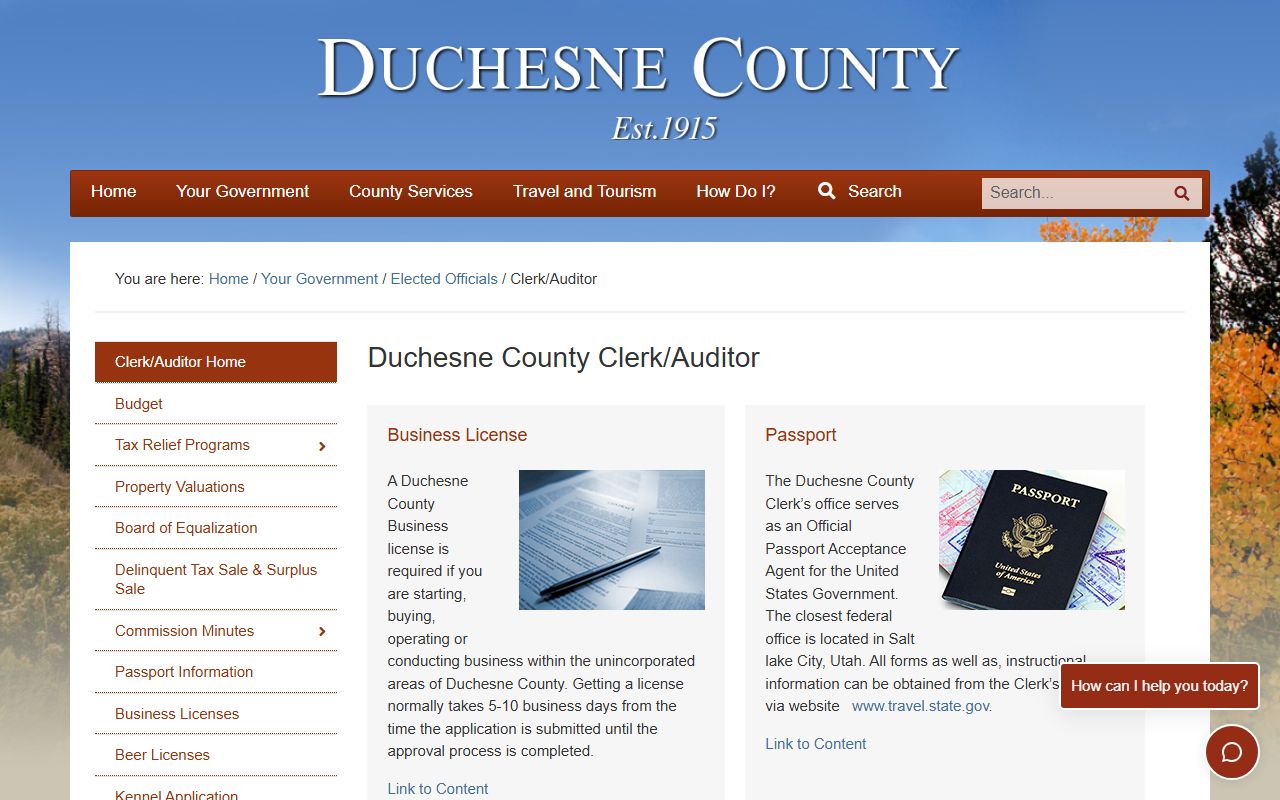
That office is the county's civil memory, especially for records that begin soon after settlement opened in the basin.
The Duchesne County Recorder keeps land records, deeds, and property documents from 1888 to the present. The office is at the same North Center Street address, the phone number is 435-738-2437, and the office follows the same weekday schedule. In a county where land and settlement history are closely linked, the recorder can reveal how families moved onto property and how that property changed hands.
Duchesne County Genealogy and Settlement
The county home page below helps place Duchesne County Genealogy in its civic setting. It is useful because Duchesne County has a later county date than many Utah counties, but an earlier settlement history that reflects the opening of the reservation lands. The source link is the county itself, which is the best place to confirm how the local government frames the area today.
Lead-in source: Duchesne County.
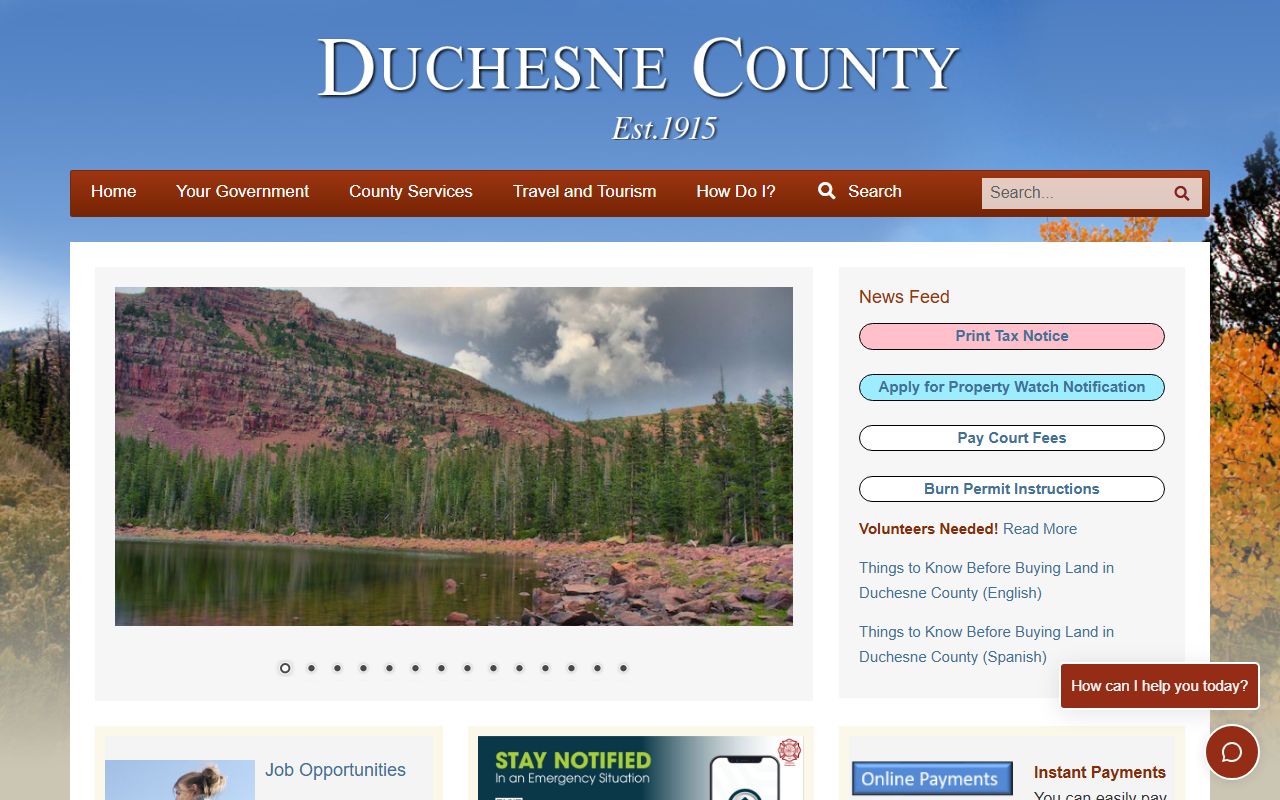
The county's history matters because it explains why the record dates and the settlement dates do not line up neatly. Families can appear in the record books after the land was opened, not when the area first became known.
That timing makes Duchesne County Genealogy a place where county records and settlement history have to be read together. If you ignore the opening date, you can easily search a decade too early.
Duchesne County Genealogy Records
The Duchesne County Recorder is essential for Duchesne County Genealogy because it preserves the land side of the county's history. Land records begin in 1888, and that long run of deeds and property documents can show who settled where, how a farm or home site changed hands, and where a family was living when a later record was created. In a county with an important settlement shift, the recorder often answers the "where" question better than any other office.
The recorder image below comes directly from the county office page. It is a good visual reminder that Duchesne County Genealogy is tied to real property as much as to marriage or probate. A deed or property file may be the missing piece that links one generation to the next.
Lead-in source: Duchesne County Recorder.
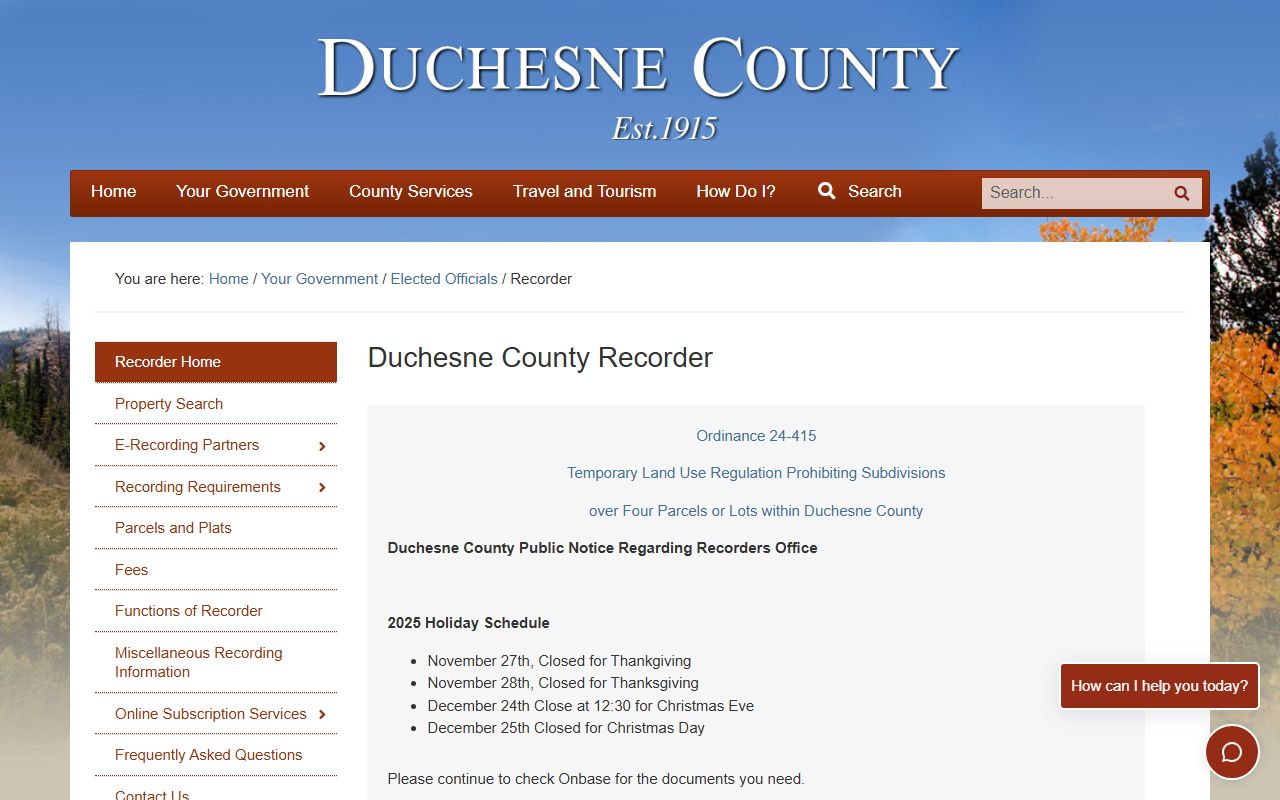
That record set is especially useful when a family lived on land before the next generation began to marry or appear in court files.
The Utah State Archives and Utah State History can add context when the county books are not enough. Those state sources help explain broader settlement patterns, office records, and local history details that make the county documents easier to read.
Duchesne County Genealogy and FamilySearch
The FamilySearch Duchesne County Genealogy page confirms that the county was created from Wasatch County in 1913 and notes the opening of the reservation lands to white settlement in 1905. It also points researchers toward microfilmed marriage licenses, probate records, and land records. That makes the page a useful planning tool before you call the county office or visit in person.
FamilySearch is especially useful when you want to know which record type should exist for a particular year. In Duchesne County Genealogy, a marriage after 1888, a probate matter after settlement, or a land question from the early twentieth century can often be matched to the right county book faster when you start with the FamilySearch summary first.
For later family events, the statewide path still matters. The Utah Office of Vital Records and the CDC Utah vital records page help explain the modern certificate route if a birth or death falls outside the county's early register range.
Duchesne County Genealogy Research Tips
Start Duchesne County Genealogy with a year and a place, not just a name. If the family settled after 1905, the record path will look different from a family that was already in the county by the late 1880s. That matters because the county is tied to a shift from reservation land to settlement, and that shift affects where and when a record first appears. A little date discipline saves a lot of blind searching.
Use the clerk for marriage and probate, the recorder for land, FamilySearch for microfilm planning, and state sources when the county record runs out. Newspapers can add the missing human detail, especially when a marriage notice or local item confirms a date the county book only hints at. Duchesne County Genealogy is easier when you treat those sources as parts of the same timeline.
Note: The county's settlement history is not the same thing as its county creation date, so be careful not to search the books before the records could have existed.