
Emery County Genealogy Search
Emery County Genealogy research begins in a county created on February 12, 1880, from Sanpete County. Castle Dale is the county seat, and the county was named for George W. Emery, the territorial governor of Utah. Those basics matter because they tell you when the county record trail begins and where the main offices sit today. Emery County's marriage, probate, land, and later vital records are strong enough to support a careful family timeline, and the county's lack of a known courthouse disaster makes the early record run especially valuable for researchers who need a stable local base.
Emery County Genealogy Offices
The Emery County Clerk is where many Emery County Genealogy searches start. The office keeps marriage records from 1880, birth and death records from 1898 to 1905, and probate, court, and land records from 1880 forward. The courthouse is at 75 E Main Street in Castle Dale, UT 84513, the phone number is 435-381-5133, and the office is open Monday through Friday from 8:00 AM to 5:00 PM. That makes the clerk a strong first stop for both early family work and later copy requests.
The Emery County Recorder keeps land records from 1880 to the present and provides access to recorded documents and property information. The office is also at 75 E Main Street, the phone number is 435-381-5106, and the same weekday hours apply. For a county where property and settlement history are closely linked, the recorder often fills the gap between a marriage entry and a later probate file.
Lead-in source: Emery County Clerk/Auditor.
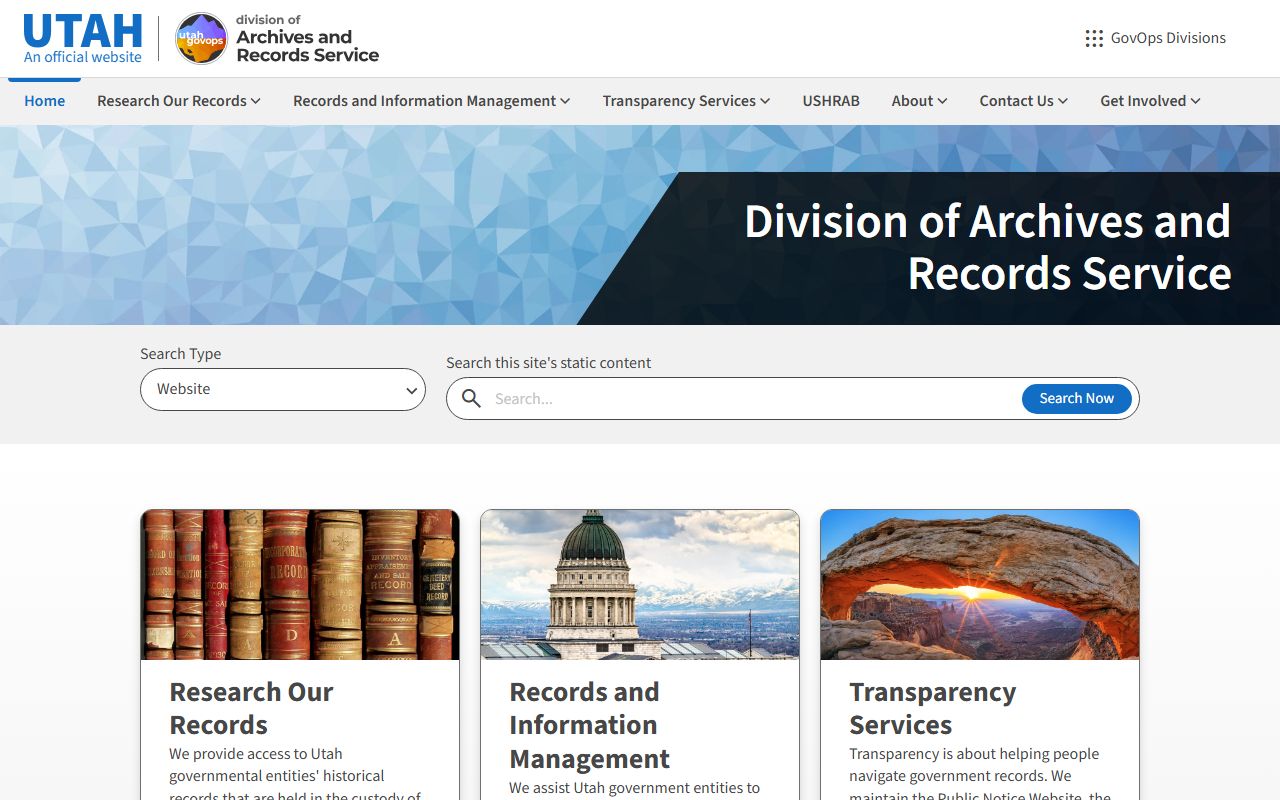
The state archives image is a good reminder that Emery County Genealogy does not end at the courthouse. When the county office gives you a clue, the archives can help you widen it into a longer family line.
Emery County Genealogy Records
Emery County Genealogy records cover the core county events from the start of organization in 1880. Marriage records begin that year, and birth and death records are available from 1898 to 1905. Probate, court, and land records also begin in 1880. That record spread is useful because it lets a researcher track a family across civil, property, and estate files without jumping to a different county for the earliest years.
The Emery County Recorder matters here because property records often reveal who held land, when it changed hands, and whether a family stayed in the county after a marriage or death. The office is especially useful when a land transfer needs to be read in light of a probate file or a marriage entry. That kind of cross-check is one of the simplest ways to avoid mixing the wrong Emery family with the right one.
The county's early record base is compact enough to be manageable, but broad enough to support real family reconstruction. That balance is one reason Emery County Genealogy remains a practical county project instead of a search through fragments.
Emery County Genealogy and County History
The county's historical setting matters for Emery County Genealogy because the county seat, the county name, and the settlement pattern all shape where records first appear. The county was organized from Sanpete County, named for Governor George W. Emery, and built around Castle Dale as the county center. That background helps explain why family names often stay tied to one area for long stretches. It also helps explain why the same surname may show up in land, probate, and civic records over several decades.
The Utah State History site is a good companion here because it helps place Emery County families in the broader story of central Utah. When you need more than a document date, state history can show the settlement and community patterns that make the record easier to interpret. That extra context often turns a dry entry into a usable family clue.
Lead-in source: Utah State Historical Society.

For Emery County Genealogy, local history and record history belong together. A file makes more sense when you know the county story around it.
Emery County Genealogy on FamilySearch
The FamilySearch Emery County Genealogy page confirms that there is no known courthouse disaster and that the Family History Library has microfilmed Emery County birth and death registers, marriage licenses, probate records, and land records. That is a useful summary when you want to know which family line is likely to appear in which book before you contact the county office.
FamilySearch is helpful in Emery County because the county's record groups are strong but spread across several office functions. A marriage date can point to a probate file. A probate file can point to a land transfer. A land transfer can point back to a marriage or a death. That chain is often what turns Emery County Genealogy from a surname hunt into a documented household history.
The statewide route also matters when the county record ends. The Utah Office of Vital Records and the CDC Utah vital records page can help with later certificates, while Utah Code Title 26 explains the access rules behind modern vital records requests.
Emery County Genealogy and Newspapers
Newspapers are especially useful for Emery County Genealogy because they often show the life around a record rather than the record itself. The Utah Digital Newspapers project can surface obituaries, marriage notices, and community references that are not obvious in the county books. That matters when a family moved between Castle Dale, surrounding communities, or the wider central Utah region and left only a brief paper trail behind.
The newspaper image below comes from the statewide collection and is a good fit for Emery County Genealogy because it points to the kind of item that can confirm a date or a relationship. A short local notice can be the clue that connects two records that otherwise seem unrelated.
Lead-in source: Utah Digital Newspapers.

That kind of notice often supplies the exact detail a clerk or recorder index does not show.
Emery County Genealogy Research Tips
When you begin Emery County Genealogy, start with the year the family appears and the office most likely to hold the first record. The clerk works for marriage, probate, court, and early vital records. The recorder works for land. Newspapers and state history help explain the family movement in between. That order keeps the search focused and reduces the chance that you will miss a record because you started in the wrong place.
Use the county office first, then widen out to the state sources when the county record is not enough. Emery County is one of those places where a marriage entry, a land file, and an obituary can form a complete picture if you line them up in the right order. The record trail is not complex, but it does reward careful comparison.
Note: Emery County's lack of a known courthouse disaster gives you more confidence in the early record base, but you should still compare every name and date before treating a match as final.