
Cedar City Genealogy Sources
Cedar City Genealogy starts with a city that was settled in 1851 and incorporated in 1868, so the record trail reaches back into the territorial period and then continues through a long municipal history. That matters because the city recorder preserves historical city records, the city cemetery preserves burial records dating to the 1850s, and Southern Utah University adds a major local archive layer. Cedar City sits in Iron County, so county records and statewide tools also matter when the city record is not enough. The city, cemetery, archives, county, and state sources work best together because they cover different parts of the same family history.
Cedar City Genealogy at the City Recorder
The Cedar City Recorder is the first municipal stop when a family event or city action belongs inside Cedar City's incorporated history. The office preserves historical city records, which is useful because Cedar City has a long enough civic trail to matter for both pioneer-era and later family-history work. The recorder's office is at 10 N Main Street, Cedar City, UT 84720, and the phone number is 435-586-2950. For Cedar City Genealogy, that office gives you the local document that can anchor a household in a specific civic and neighborhood context.
Lead-in source: Southern Utah University Archives.
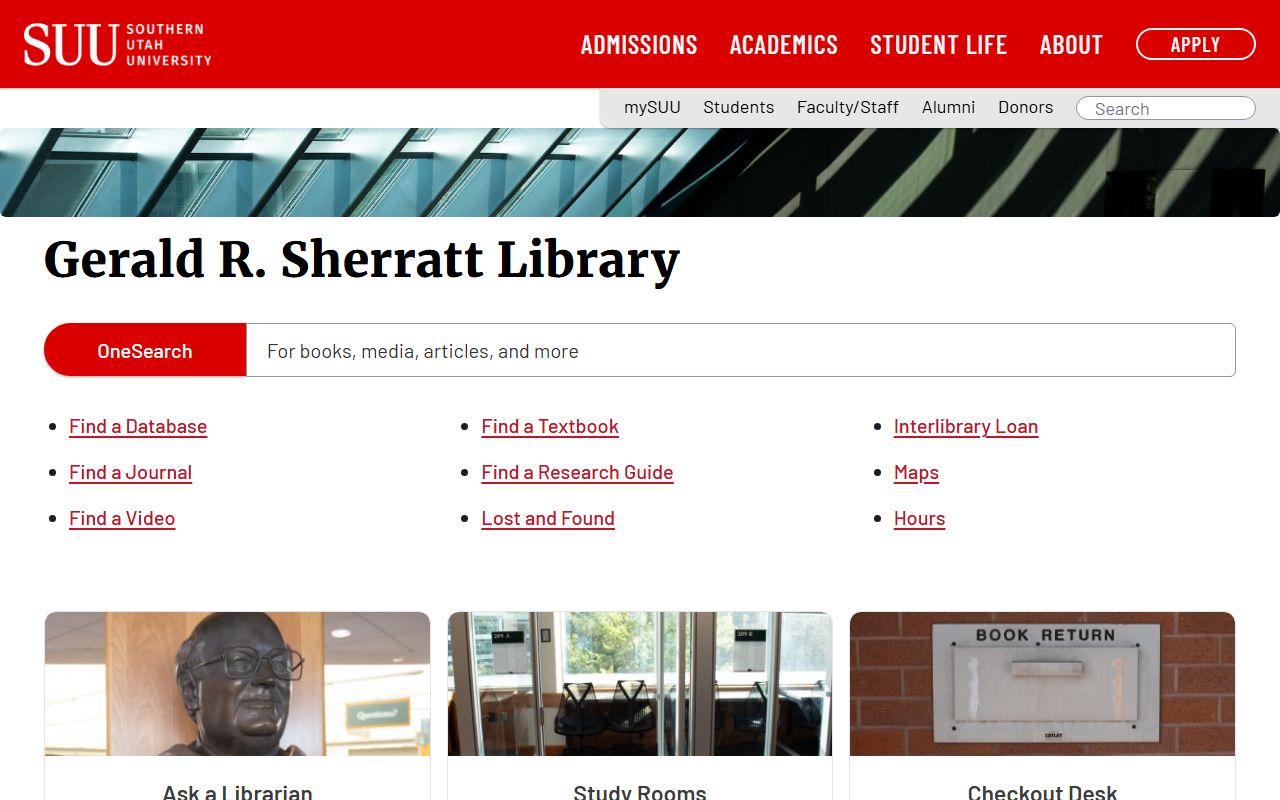
The SUU image fits the recorder section because Cedar City families often need the university archive and city record together to make the local timeline clear.
| Office | Cedar City Recorder |
|---|---|
| Address | 10 N Main Street Cedar City, UT 84720 |
| Phone | 435-586-2950 |
| Records | Historical city records |
Cedar City Genealogy at the City Cemetery
The Cedar City Cemetery is one of the strongest burial sources for Cedar City Genealogy because it preserves burial records dating to the 1850s. The cemetery office is at 700 N 350 W, Cedar City, UT 84721, and the phone number is 435-586-2950. Burial records can confirm a death date, but they can also reveal family clusters, repeated surnames, and lot relationships that help explain how relatives were placed within the city over time. In an older Iron County city, that burial detail is often as important as the civil record itself.
Burial clues are especially useful when a city record is incomplete or when a family appears in a newspaper notice without an obvious next step. The cemetery can show the physical place behind the name, and that often helps when you are trying to sort out a Cedar City household that appears in more than one record set. Cedar City Genealogy becomes much more dependable when the cemetery, recorder, and county records are compared together.
Lead-in source: Cedar City Cemetery.
The cemetery trail pairs naturally with the local university archive because both sources help explain how early Cedar City families were organized in place.
Cedar City Genealogy in Iron County Records
Iron County records are the older framework for Cedar City Genealogy because the city was founded in the territorial period and then incorporated later. Marriage, land, probate, and civil records from the county often provide the first fixed proof of residence or family connection. If a household was in Cedar City before the city recorder's historical records become useful, county material is where the earliest evidence usually appears. That county layer is also important for families who moved between ranch land, town lots, and surrounding settlements over time.
The county page, Iron County Genealogy, is the right companion when you need the older civil record trail. A marriage entry can identify a spouse, a deed can point to a property transfer, and a probate file can explain how the family structure fits together. Cedar City Genealogy becomes easier to trust when those county records are read alongside the city recorder and cemetery instead of being treated as separate searches.
That county context matters because the city record trail is only one part of a much longer pioneer and territorial history. Iron County often holds the earliest household proof that the city office never had to preserve.
Cedar City Genealogy in State Collections
State collections widen Cedar City Genealogy beyond the local offices. The Utah State Archives can add government and court context, Utah State History helps with place-history reference, and Utah Vital Records is the state route for modern certificates. The FamilySearch Utah Genealogy wiki is useful for planning the record groups, while the Library of Congress Utah local history guide and the Utah Population Database can provide broader family-context research when a line needs more than one office.
Those state sources matter because Cedar City families often leave records in several repositories before they show up cleanly in one index. A burial, a city record, and a local history item may each answer a different question, but together they can place a family line in the same city and era. Cedar City Genealogy is stronger when the state tools are used to confirm and connect the local findings rather than replace them.
Lead-in source: Utah State History.

The state history image works well because Cedar City often needs a broader place-history source to interpret the territorial and county record trail.
Cedar City Genealogy Newspapers and Context
Utah Digital Newspapers adds the detail that official records usually leave out. For Cedar City Genealogy, obituaries, funeral notices, business ads, school items, church notes, and neighborhood references can reveal family links, dates, and addresses that never appear in a recorder file. Newspapers are especially useful when the city and county records are close but not identical. They can confirm whether two similar names belong to the same household or point to a burial place that the city records do not explain.
Newspapers also help interpret Cedar City as a community rather than just a record set. A family may show up in local news because of a school event, a church item, a move, or a death notice that names relatives. When those newspaper clues are compared with the recorder, cemetery, and Iron County records, Cedar City Genealogy becomes much easier to trust because the same family appears in several independent sources.
Lead-in source: Southern Utah University Archives.
The university archive is a strong companion to newspapers because both sources help place Cedar City families inside the local institutions that shaped the town.
Cedar City Genealogy Research Path
The most efficient Cedar City Genealogy workflow starts with the city recorder, then moves to the cemetery for burial proof, then into Iron County records for marriage, land, and probate detail. After that, state collections, newspapers, and the university archive fill in the remaining gaps. That order matches the city's long civic history and keeps the search tied to the right timeline.
Cedar City is one of the better Iron County cities for layered family-history work because the record trail is old enough to overlap across offices and source types. Once those sources are read together, Cedar City Genealogy becomes a documented household history rather than a loose collection of references.